Sponsored article
In an age where urban living dominates our landscapes, the allure of nature often feels out of reach. However, the concept of biophilic design is revolutionizing how we interact with our spaces, bringing nature indoors and fostering environments that nurture rather than drain us. By seamlessly integrating natural elements into our surroundings, biophilic design offers a pathway to enhanced well-being, creativity, and overall quality of life, turning our living spaces into vibrant, harmonious retreats.
Understanding biophilic design principles is essential for transforming our living spaces into havens that promote well-being and foster a deeper connection with the natural world. At its core, biophilic design emphasizes nature integration by incorporating elements such as natural light, vegetation, water features, and organic materials into built environments. By creating spaces that mirror the richness and diversity of natural habitats, these principles forge a profound human-nature connection, providing occupants with a sense of tranquility and balance. Implementing biophilic design principles involves not only the physical integration of nature but also the thoughtful design of sensory experiences that evoke the peace and restorative power found in nature. These principles can be applied to create harmonious and sustainable living spaces that enhance mental health, boost productivity, and promote ecological awareness. As we increasingly recognize the value of a strong human-nature connection, leveraging biophilic design principles becomes pivotal in transforming everyday environments into nurturing sanctuaries.
Embracing biophilic design in living spaces offers an array of benefits that significantly enhance the quality of life for residents. Key advantages include improvements in well-being, productivity, mental health, and sustainability. By integrating natural elements, such as plants, water features, and natural light, living environments become not only more inviting but also health-focused. Residents can experience increased well-being through reduced stress and enhanced relaxation. Moreover, incorporating biophilic elements like green walls and indoor gardens can boost productivity and creativity, making it especially beneficial for home offices or workspaces. Mental health gains include decreased anxiety and depression, as exposure to nature has been proven to have calming effects. Sustainable practices are also promoted as biophilic design often includes using eco-friendly materials and enhancing energy efficiency. Transforming interior spaces with these elements can turn a home into a sanctuary that nurtures the body and soul.
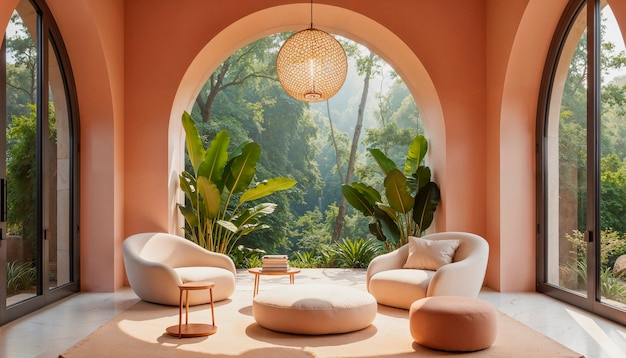
Implementing biophilic design in living spaces can significantly enhance both the aesthetic appeal and the well-being of the inhabitants. To seamlessly integrate nature elements into your home, start by introducing indoor plants, which not only improve air quality but also provide a verdant touch to any room. Consider placing them in strategic locations such as near windows or in corners to maximize their visual impact. Natural light is another critical component; ensure that your space allows for abundant sunlight by using sheer curtains and keeping windows unobstructed. This influx of natural light can boost mood and create a more vibrant atmosphere. Additionally, incorporating natural materials like wood, stone, or bamboo in furniture and flooring can foster a sense of tranquility by mimicking the textures and tones found in nature. By thoughtfully combining these elements—indoor plants, natural light, and materials—you can create a harmonious environment that strengthens the connection to the natural world, thus transforming your living spaces into nurturing sanctuaries.