Sponsored article
Biophilic design has emerged as a vital component in modern architecture, fostering a deeper connection between humans and their natural surroundings. This innovative approach integrates elements like natural light, greenery, and organic shapes, reshaping spaces to promote well-being and sustainability. In this article, we delve into the profound influence of biophilic design on contemporary architecture, examining its principles, benefits, and real-world applications that demonstrate its transformative potential.
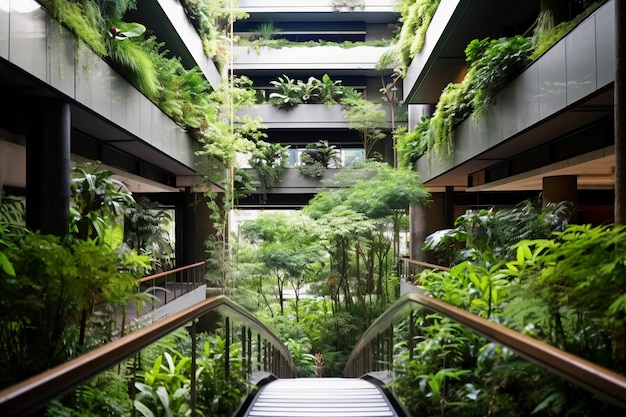
Biophilic design benefits are transforming the way we perceive architecture by harmoniously integrating nature into our built environments. By incorporating elements such as natural light, vegetation, water features, and organic materials, architects create spaces that inherently improve human well-being. When architecture and nature blend seamlessly, people experience reduced stress levels, enhanced mood, and increased creativity. This holistic approach to design nurtures a profound connection between humans and their surroundings, promoting a sense of tranquility and comfort that traditional architectural styles often lack.
Moreover, integrating natural elements into architectural design positively impacts productivity. Studies have shown that workplaces with biophilic elements can significantly boost employee output and satisfaction. From a sustainability perspective, biophilic design fosters an environmentally conscious mindset. Buildings that prioritize natural elements tend to utilize resources more efficiently and minimize ecological footprints. This alignment with nature not only benefits the environment but also sets a precedent for future architectural innovation.
The principles of biophilic design are primarily rooted in the innate connection between humans and nature, aiming to enrich modern architecture with natural elements that evoke a sense of harmony. Biophilic design principles emphasize incorporating natural light, which enhances the well-being and productivity of inhabitants by creating dynamic visual experiences that mimic outdoor conditions. Large windows and skylights are common architecture features that bring sunlight inside, fostering a connection to the natural day-night cycle. Equally important is the integration of vegetation, which can range from green walls and rooftop gardens to indoor plants, providing aesthetic appeal while improving air quality and reducing stress levels.
Moreover, using organic materials like wood, stone, and clay within modern architectural projects not only grounds the space in natural textures but also contributes to sustainability by minimizing the carbon footprint commonly associated with synthetic materials. Biophilic design principles encourage architects to craft environments that seamlessly blend natural elements with built structures, thus creating a rejuvenating escape within urban settings. By embracing biophilic design, architects can transform spaces into sanctuaries that reflect the beauty of the natural world while addressing human needs for tranquility and inspiration.
Biophilic design case studies offer compelling architecture examples that demonstrate how integrating nature-oriented design into structures significantly enhances both aesthetic appeal and human well-being. Take, for instance, the Bosco Verticale in Milan, Italy, a pioneering residential tower enveloped in greenery. This stunning example of biophilic design not only adds a unique visual element to the city’s skyline but also contributes to improved air quality and biodiversity within the urban environment. By embracing a nature-oriented design philosophy, these towers actively promote the well-being of their residents by reducing stress and fostering a connection to the natural world.
Another exemplary case is the Singapore-based Oasia Hotel Downtown, where living walls and green spaces interweave effortlessly with architectural elements, translating into reduced environmental impact and energy consumption. Such architecture examples show how biophilic design encourages sustainable practices while offering residents a natural oasis amidst urban chaos. These case studies underscore the transformative potential of nature-oriented design, enhancing not only physical spaces but also the lives of those who inhabit them.