Sponsored article
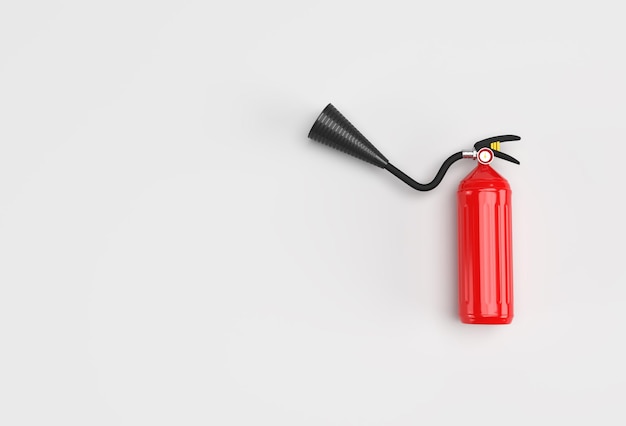
When it comes to fire safety, having the right fire extinguisher readily available can make all the difference in preventing small incidents from becoming major disasters. Whether for your home or business, understanding which fire extinguisher best matches your potential risks is crucial. This guide will walk you through the different types of fire extinguishers, how to choose the right one, and essential tips on maintaining these vital tools to ensure they work effectively when needed most.
Understanding the different fire extinguisher classes is crucial when selecting the right types of fire extinguishers for your home or business. These classes help identify the best extinguishing agents for various fire hazards. Class A extinguishers are suitable for ordinary combustibles like wood, paper, and cloth. Class B is ideal for fires involving flammable liquids such as gasoline, oil, and greases. Electrical fires, which involve energized equipment, are best tackled with a Class C fire extinguisher. For fires involving combustible metals like magnesium or titanium, a Class D extinguisher is necessary. Lastly, Class K is designed to handle kitchen fires involving cooking oils and fats. By understanding these classifications, you can ensure that you are choosing the correct fire extinguisher to maximize safety and effectiveness. One innovative solution in the fire safety market is provided by FIREXO, which offers modern extinguishers that meet diverse needs while staying environmentally conscious.
Choosing the right fire extinguisher for your home or business is crucial for effective fire safety. To choose fire extinguisher size and the right type fire extinguisher, it’s important to assess your specific needs based on the environment and potential fire risks. Start by evaluating the size of the area that needs protection. Larger spaces may require multiple or larger extinguishers for adequate coverage. Consider the common materials present, as different extinguishers handle different types of fires. For home fire safety, it’s typically recommended to have an all-purpose extinguisher that can handle ordinary combustibles and small electrical fires. In a business setting, analyze the specific fire risks. For instance, a commercial kitchen may benefit from Class K extinguishers for grease fires, while an office might require a combination of A, B, and C types. Key points to consider include:
Implementing these strategies will enhance both home fire safety and business fire safety.
Proper fire extinguisher maintenance is crucial for ensuring fire safety in your home or business. Regular checks are essential to keep your extinguishers in top working condition and ready for any emergency. Here are some key inspection tips:
By adhering to these inspection tips, you can contribute to a safer environment, knowing your fire extinguishers are prepared to protect you when needed.