Sponsored article
The early years of childhood are crucial for development across multiple dimensions, including cognitive, linguistic, and social aspects. Bilingual preschools offer a unique approach to education, providing an immersive environment where young children can develop essential skills in two languages. This article delves into the various impacts of bilingual preschools, highlighting their role in enhancing cognitive functions, building language proficiency, and fostering cultural empathy among young learners.
Bilingual education offers impressive cognitive benefits that can significantly enhance a child’s early development. Engaging in bilingual learning stimulates both hemispheres of the brain, contributing to improved cognitive development in areas such as memory, attention, and flexibility. This robust brain activity sets a strong foundation for developing essential skills that are vital in preschool development testimonials NYC. By navigating two languages, children cultivate advanced problem-solving abilities, finding creative solutions to challenges they encounter. This skill not only aids them in academic settings but also equips them to manage real-world situations with ease.
Moreover, bilingual education fosters critical thinking by encouraging children to switch between languages, promoting deeper understanding and analysis. Young learners in bilingual environments exhibit enhanced executive functions, which are key processes for planning and completing tasks. The cognitive advantages of bilingual education during early childhood are vast, including:
These benefits contribute to well-rounded preschool development, preparing children not only to excel academically but also to thrive socially and emotionally.
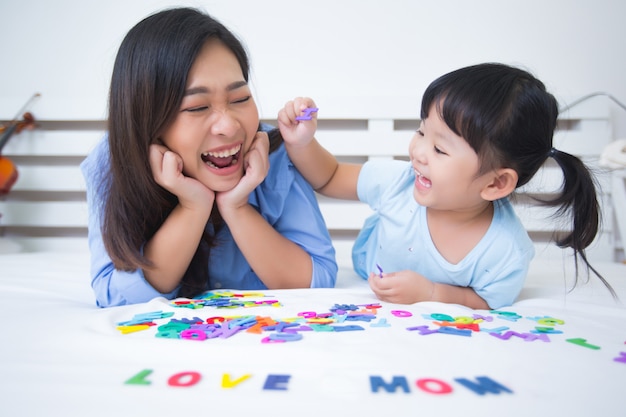
In bilingual preschools, the process of language acquisition is uniquely designed to foster dual language development from an early age, providing a strong foundation for language skills that can have a lasting impact. Through immersive and engaging activities, children are introduced to multiple languages simultaneously, promoting a natural and intuitive way of learning. This exposure allows them to develop fluency as they navigate daily interactions in both languages, enhancing their ability to communicate with a diverse range of people. As they engage with different languages in a supportive environment, they not only learn to speak but also to understand and appreciate the cultural nuances embedded in each language. This holistic approach ensures that language learning is not just a memorization of words but an enriching experience that shapes their worldview.
The impact of this bilingual approach on a child’s vocabulary development is profound. Children in dual language settings often exhibit advanced vocabulary skills, as they are continuously exposed to a broader spectrum of words and phrases. These early language experiences significantly enhance their cognitive flexibility and problem-solving abilities, setting them up for future success in both language and academic endeavors. By encouraging proficiency in multiple languages, bilingual preschools play a crucial role in enhancing children’s overall communication abilities, equipping them with the essential tools to thrive in an increasingly globalized world.
Bilingual preschools play a pivotal role in developing cultural awareness and empathy among young learners. By immersing children in languages and cultures other than their own, these educational environments nurture an appreciation for diversity from an early age. This exposure encourages children to understand and respect differences, building a foundation of inclusive attitudes. As they participate in multicultural activities and learn from peers of varied backgrounds, students cultivate empathy, which enables them to see the world through multiple perspectives. Such understanding is crucial in today’s globally connected society, where appreciating cultural diversity is key to effective communication and harmonious living.
Moreover, the diverse setting of bilingual preschools enhances social skills among children. By interacting with peers from various cultural backgrounds, children not only learn new languages but also develop stronger interpersonal skills. They become more adept at interpreting social cues and understanding emotional expressions, leading to improved communication abilities. These skills are essential as they form relationships and navigate different social environments. Thus, the cultural awareness fostered in bilingual preschools positively impacts emotional growth, making children more empathetic and socially competent individuals equipped to thrive in diverse communities.