Sponsored article
Throughout history, the development of weapons and armor has played a crucial role in the rise and fall of civilizations. These tools of war, forged by master artisans, reflect not only the technological advancements and defensive needs of their time but also the cultural values and artistry of the societies that crafted them. Join us as we journey through time to explore the fascinating craftsmanship and deep historical roots of these timeless creations.
The origins of ancient weapon crafting trace back to early civilizations, where the art of forging tools and arms became a necessity for survival and dominance. Historical weapons emerged from the skilled hands of blacksmiths and artisans who harnessed resources like bronze, iron, and steel. These craftsmen laid the groundwork for weaponry design, employing blacksmith techniques that included casting, hammering, and tempering to achieve superior strength and functionality. The craftsmanship origins of these weapons are hallmarked by the intricate processes that transformed raw materials into sophisticated instruments of war and self-defense, influencing countless generations. From the Bronze Age spears to Iron Age swords, ancient weapon crafting was a testament to human ingenuity and the relentless pursuit of excellence. At Medieval Depot, enthusiasts can explore a vast array of such historical weapons, each piece a nod to the enduring legacy of these pioneering craftsmen.
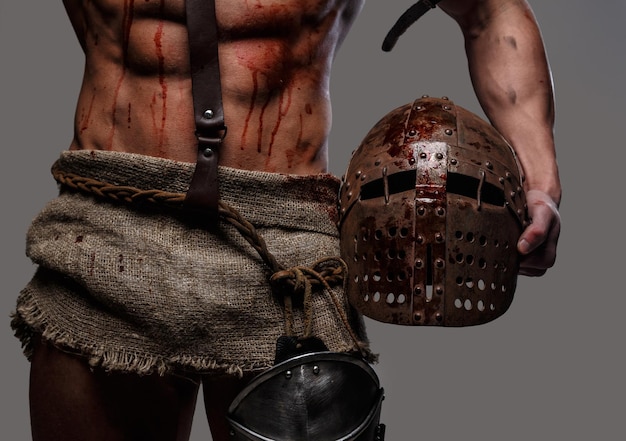
The fascinating journey of armor evolution reflects the ingenuity of human craftsmanship, exemplified by the remarkable strides in metalworking and materials science over the ages. As societies faced new threats, the need for enhanced protection spurred considerable innovation. In antiquity, bronze and iron were the primary materials, providing modest defense against swords and arrows. The advent of medieval armor marked a pivotal era, where chainmail and plate armor became synonymous with knightly valor. With the development of advanced metalworking techniques, blacksmiths could forge stronger, more resilient iron and steel defenses. This period saw the introduction of articulated joints and full-body coverage, expertly balancing protection and mobility on the battlefield. As times progressed, gunpowder weaponry necessitated even further defense innovation, leading to reinforced plate designs and complex metallurgy. Each stage in armor evolution is a testament to the relentless pursuit of safeguarding human life, blending art with utility.
The cultural significance of weapons and armor extends far beyond their practical use in historical contexts, weaving rich stories of symbolic meaning and social hierarchy within different societies. Weapons and armor were not merely tools of war but were imbued with a status that elevated them to powerful symbols of prestige and authority. Ceremonial weapons often held prominent roles in religious rituals and societal ceremonies, representing divine protection and martial prowess. In many cultures, elaborately designed swords, shields, and armor were fashioned as both functional tools and artistic masterpieces, symbolizing the values and achievements of the civilizations that crafted them. Armor in society was often an indicator of one’s status, with intricate designs reflecting personal honor and royal favor. The artistry involved in creating these pieces illustrates the deep appreciation and understanding of their symbolic power throughout history. Understanding the cultural significance of these artifacts enriches our appreciation of the past, illuminating the intricate tapestry of human history through the lens of materiel craftsmanship.